
A Photograph Your Family Is In vs A Photograph of Your Family
It might sound like semantics, but there’s a quiet difference between these two things:
A photograph your family is in.
And a photograph of your family.
Most people don’t consciously think about this distinction when they book family photos — but they feel it when they look at the finished images.
Here’s what I mean.


A Photograph Your Family Is In
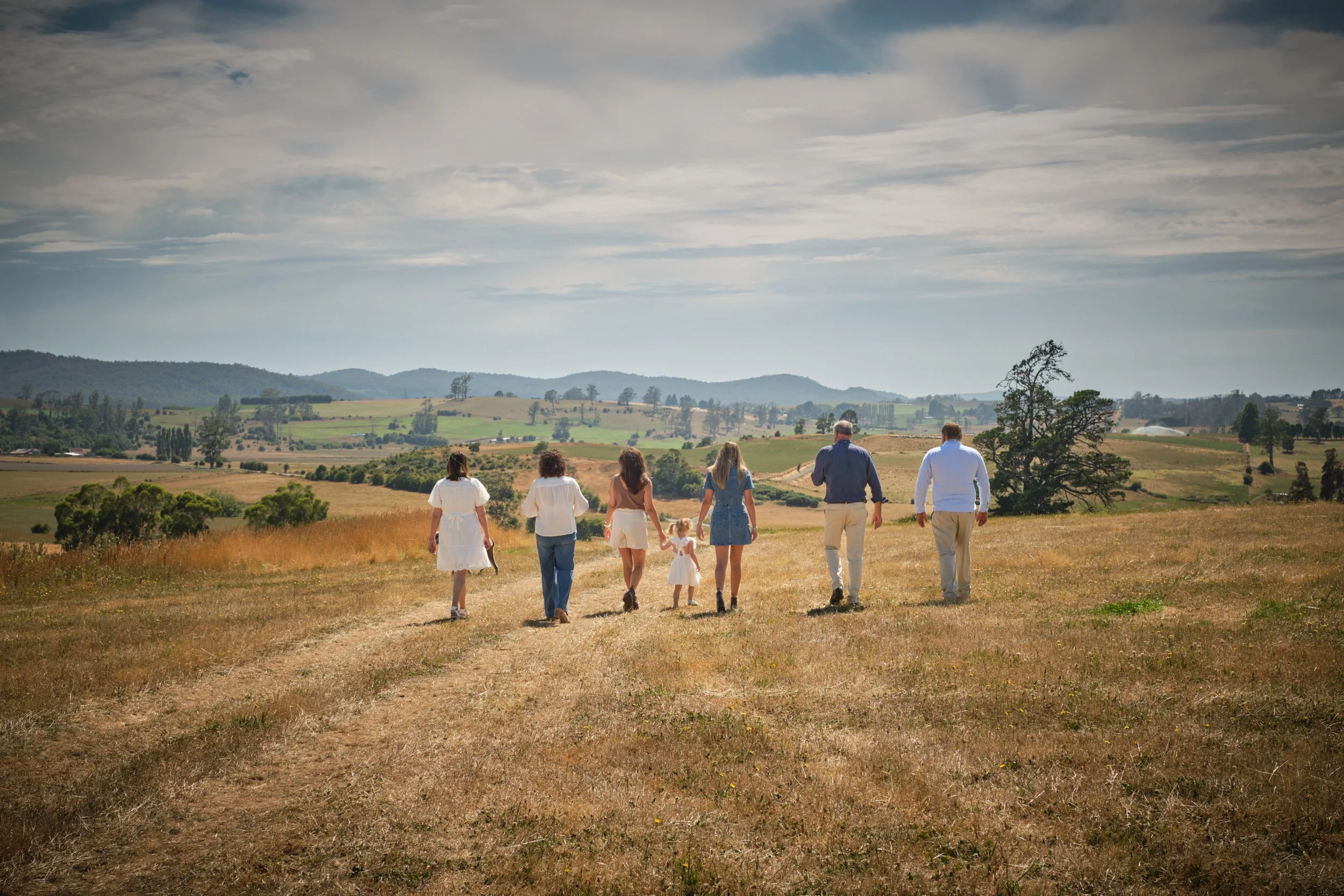
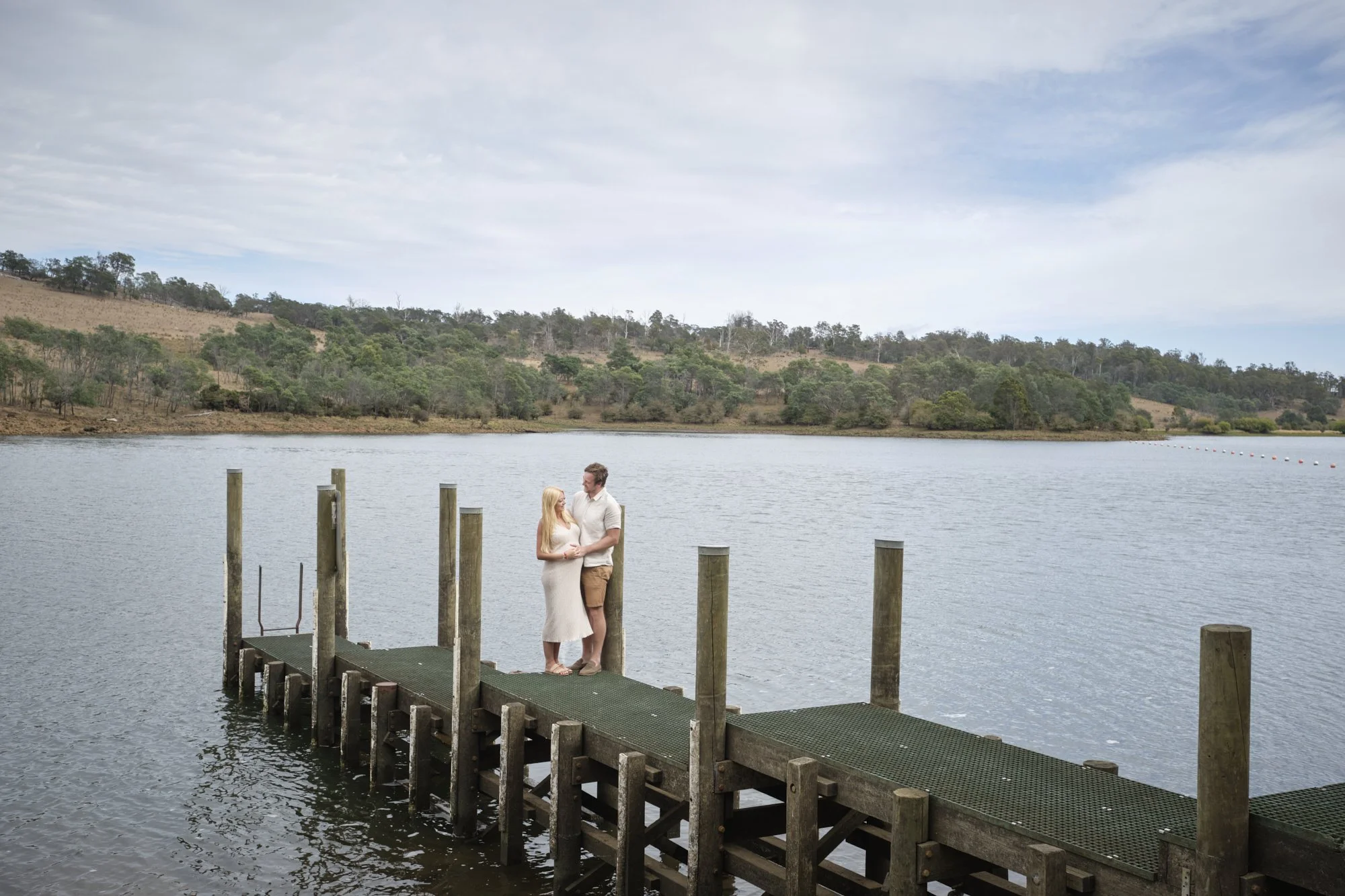
In this type of image, the environment carries equal weight.
The coastline.
The rolling hills.
The field at sunset.
Your family is part of the scene. The setting helps tell the story.
These images often feel expansive and atmospheric. They show where you were — geographically and seasonally. They anchor your family in a particular place.
Years later, you might look at them and remember:
“That was our favourite beach.”
“That was the paddock near home.”
“That was the year we always went there.”
The landscape becomes part of the memory.
And for some families, this style feels more comfortable — especially if you’re not the kind of people who love the idea of a large, close-up portrait of yourselves on the wall.
You don’t have to be.
A wider, environmental image can feel less like “a big photo of us” and more like a piece of art that happens to include your family within it.
A Photograph of Your Family
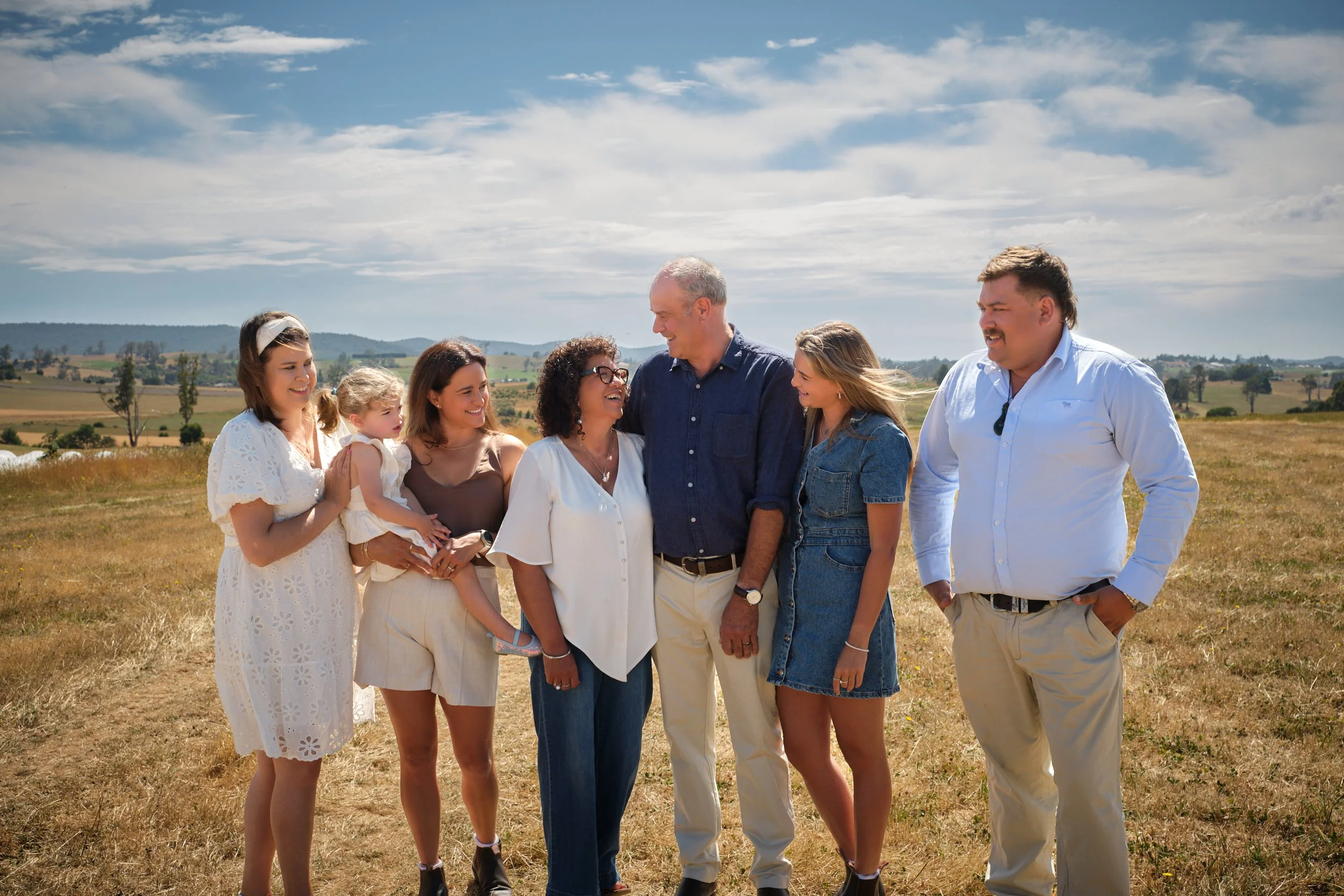
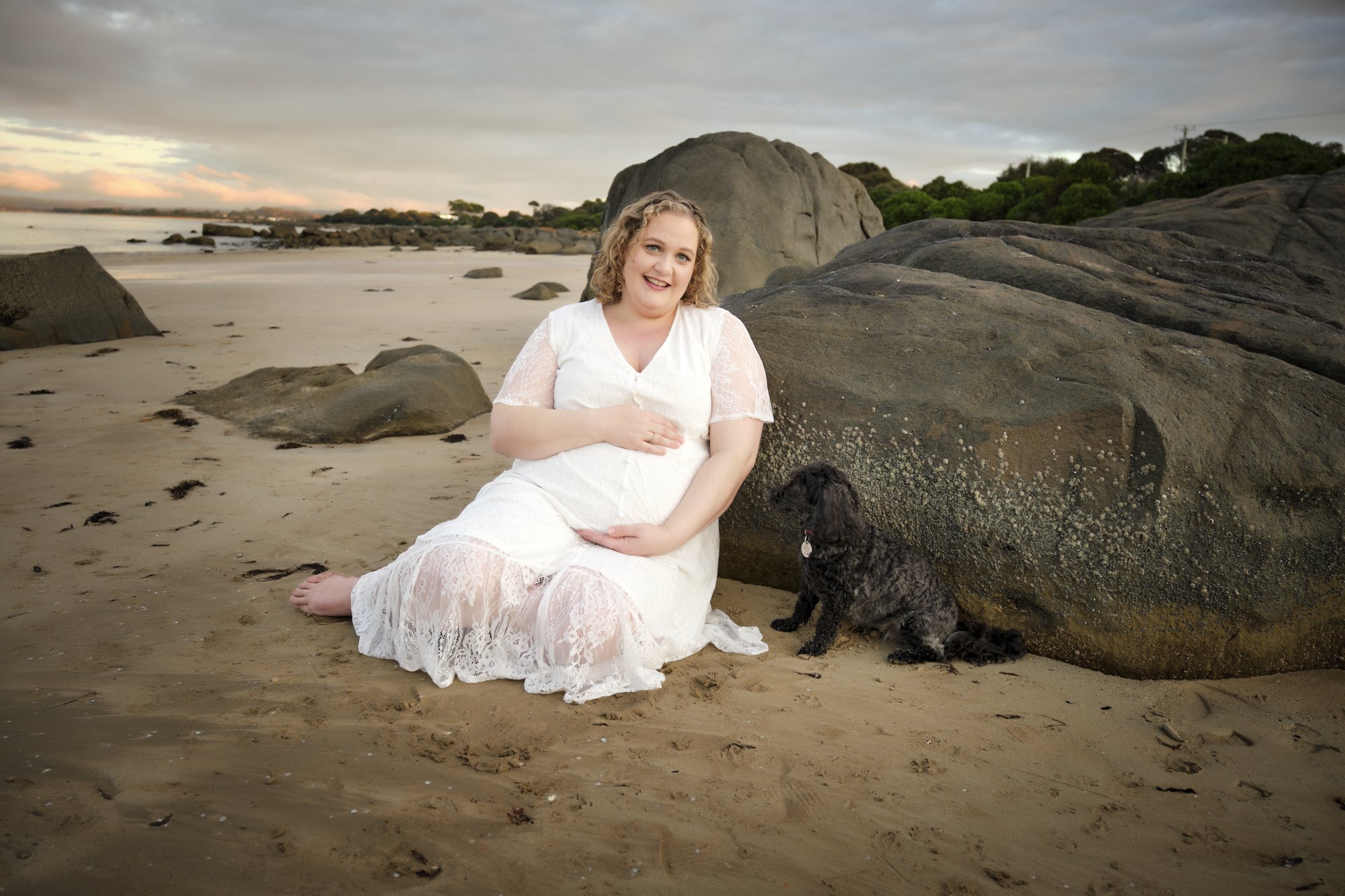
Here, the connection is the subject.
The background still matters — but it steps back. It supports rather than leads.
The focus is on:
The way your child leans into you.
The way your partner looks at you.
The way everyone fits together right now.
These images often feel more intimate. More emotionally immediate.
They’re beautiful on walls, but they do feel more personal — and for some people, that level of visibility takes a little getting used to.

If You’ve Been Putting It Off
Occasionally families tell me they’ve delayed booking portraits because they’re “not really the type” to display photographs of themselves.
And that’s completely fine.
Professional family photography doesn’t have to mean oversized, formal portraits that feel out of character for you.
Sometimes it simply means choosing images that feel aligned with how you live — artwork that complements your home rather than dominates it.
Understanding the difference between being part of a scene and being the centre of it can remove some of that discomfort.
It gives you options.

Neither Is Better
This isn’t a hierarchy.
It’s intention.
Some families love a sense of place — especially here in Tasmania, where landscape is part of our identity.
Others care most about preserving connection without distraction.
All of my sessions include both types of images naturally. But understanding the difference can help you articulate what draws you in.
When families come to their planning appointment unsure about location or style, this is often the conversation that brings clarity.
Not “which is prettier.”
But “what do we want these images to say?”
If you’re not sure which style feels more like you, that’s completely normal.
That’s exactly why we talk first.